
Custom Pet Product Packaging: Design, Materials & Strategy
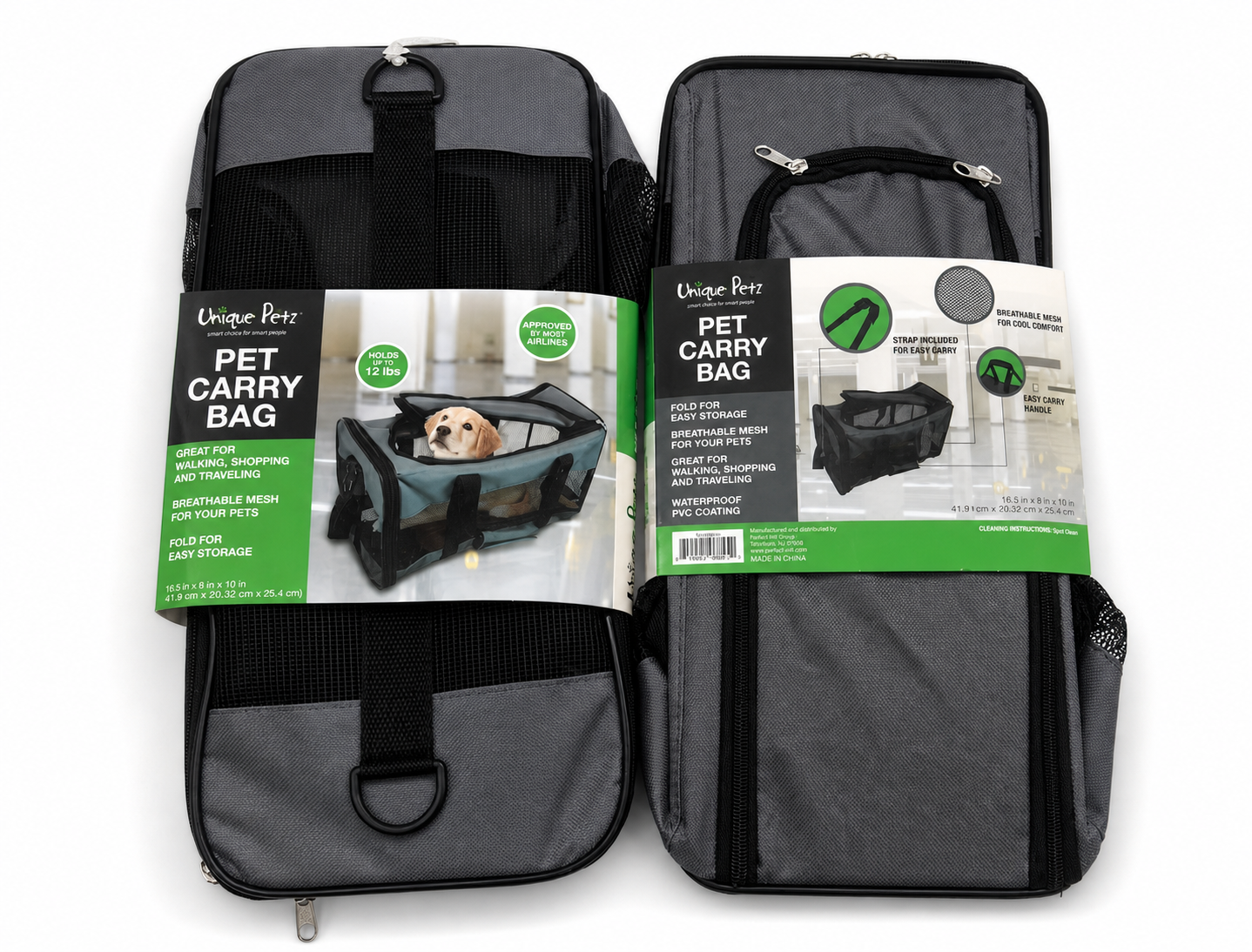
Explore custom packaging solutions for pet products including design principles, material choices, sustainability options and retail-ready packaging strategies for B2B buyers.
Packaging is part of the product experience. For pet brands and retailers, it protects the goods, communicates the product value and determines how efficiently the order can be stored, displayed and shipped.
Why packaging matters
Packaging affects shelf presentation, e-commerce protection, carton efficiency and customer understanding. A good package should match the product, target price and sales channel rather than add decoration without a clear purpose.
Design principles
· Make the product and key benefit easy to understand.
· Keep dimensions and product information accurate.
· Use a structure that protects the product during transport.
· Reserve space for barcode, warning information and market-required details.
· Keep the design consistent across the product range.
Material options
Depending on the product, packaging may use color boxes, paper boxes, PE bags, hangtags, inserts or export cartons. The choice should consider protection, display, cost, storage and sustainability goals.
Retail versus e-commerce
Retail packaging may need stronger shelf impact and easy product identification. E-commerce packaging may need extra protection and efficient carton dimensions. A product sold through both channels may require a packaging solution that balances both requirements.
A practical packaging process
· Confirm the product and target channel.
· Review packaging dimensions and material options.
· Prepare artwork, logo and required product information.
· Make a packaging sample or mock-up.
· Approve the final packaging before mass production.
Cost factors
Packaging cost is influenced by material, size, printing, structure, inserts, order quantity and packing method. Discuss packaging together with the product so the final quotation reflects the complete project.