
How to Choose a Pet Products Manufacturer: A Buyer's Guide
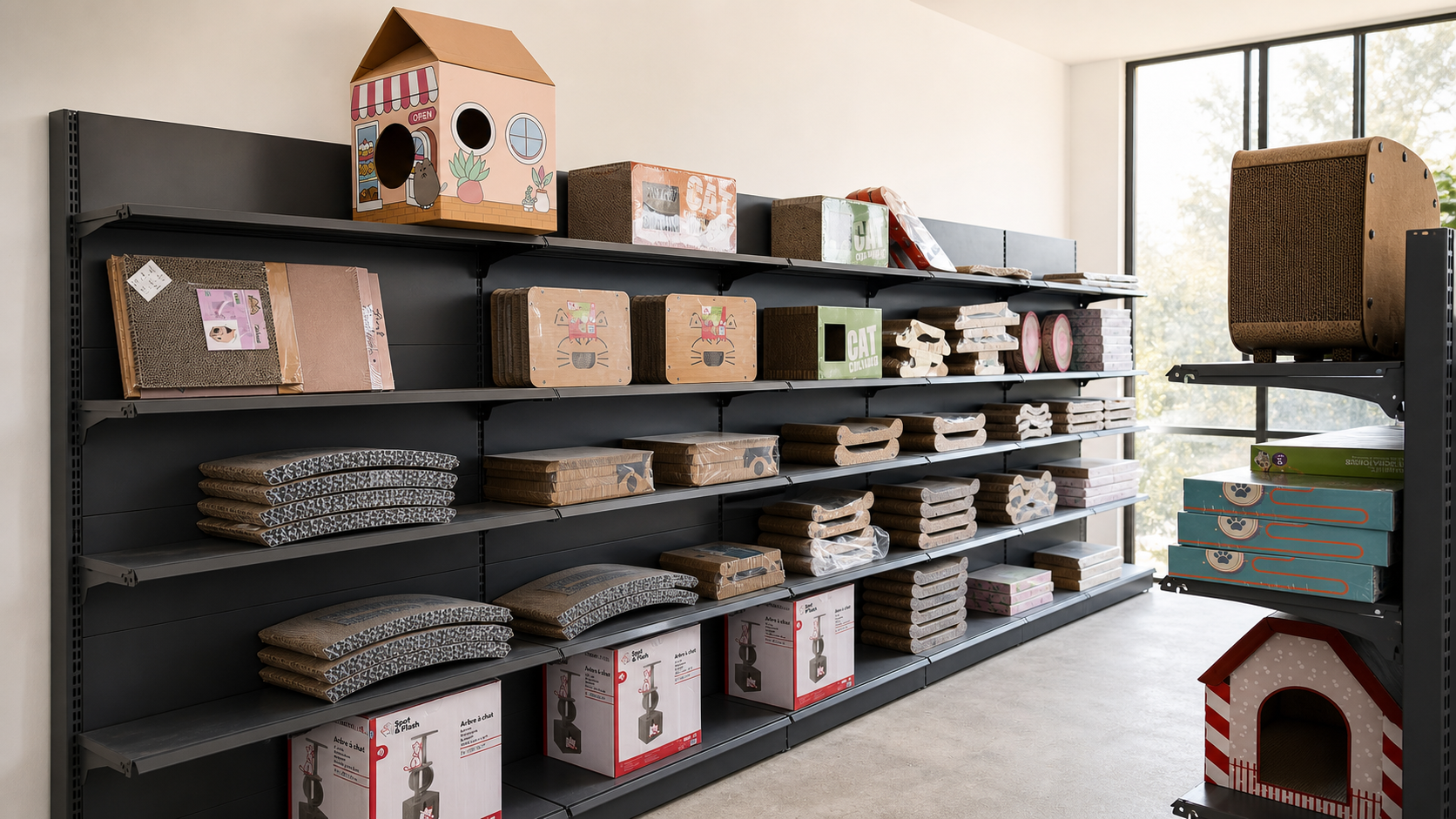
Essential criteria and practical steps for selecting a reliable pet products manufacturer, covering capability assessment, quality verification, communication evaluation and partnership building.
The right pet-product manufacturer affects quality, cost, speed, communication and the ability to grow a product range. A structured evaluation helps buyers compare suppliers more fairly and avoid problems later in the project.
Start with product expertise
Look for experience in the specific category you plan to sell. Pet carriers, cat trees, car seat covers and plush toys have different material, structure, packaging and quality requirements.
Check production and scalability
Ask how the supplier organizes production, sampling, materials, packaging and repeat orders. A suitable partner should be able to explain how it would support both a trial order and a larger program.
Review quality management
Ask what is checked before production, during production and before shipment. Confirm how specifications, samples, packaging and defects are recorded and handled.
Evaluate communication
Good communication is specific and timely. The supplier should be able to clarify assumptions, identify missing information and explain what is confirmed versus what still needs approval.
Confirm compliance requirements
Certification and testing requirements depend on the product and target market. Tell the supplier which documents or tests your customers require and confirm what can be provided for the specific product.
A practical evaluation process
· Initial screening: review category experience, website, catalog and basic capabilities.
· Detailed inquiry: provide product, quantity, market and packaging information.
· Sample evaluation: check construction, material, function, finish and packaging.
· Factory or production review: assess organization, quality process and communication.
· Trial order: confirm repeatability before expanding the program.
· Partnership decision: compare quality, service, cost and long-term fit.
Red flags
· Unclear product specifications or changing answers.
· Promises about certifications or delivery without supporting details.
· Very low pricing that excludes packaging, inspection or shipping realities.
· No clear sample approval or quality-handling process.
· Reluctance to clarify what is included in the quotation.
Conclusion
A good manufacturer is not simply the supplier with the lowest initial price. Look for a partner that can understand your product, communicate clearly, control quality and support the next order.