From Sample Approval to Mass Production
Learn how OEM pet products move from product brief and sample approval to specifications, quality inspection, packaging and mass production.
For a pet brand or retailer, an OEM project is not finished when a supplier sends a product photo and a unit price. The difficult work is making sure the approved sample, final specifications, packaging and mass-production result all match the same commercial plan.
A clear process helps both sides reduce misunderstandings and gives the buyer a stronger basis for quality control, repeat orders and market launch. This guide explains the main stages of an OEM pet-product project, from the first product brief to shipment preparation.
1. Define the product brief
The project should start with a practical brief rather than a general request for a catalog. Share the product category, target market, sales channel, estimated quantity and expected launch timing. Reference images, existing samples or competitor products can help explain the direction, but they should be treated as references rather than automatic specifications.
Useful information includes:
· Product category and intended use
· Target customer and market
· Approximate order quantity
· Target price position, if available
· Materials, colors, dimensions or functions
· Logo, label and packaging requirements
· Testing, inspection or documentation expectations
For example, a buyer developing a travel collection may start with a 2-in-1 Convertible Pet Travel Bag, a Foldable Soft Pet Travel Crate or a stroller-based carrier. A home-lifestyle brand may instead begin with the 2-in-1 Pet Feeder Station with Storage Drawer. Each project needs its own specifications and approval criteria.
2. Choose the right development model
OEM and ODM are related but not identical. In an OEM project, the buyer usually brings the product direction, specifications, brand requirements or reference sample. In an ODM project, the supplier contributes more product-development input, such as structure, materials, functions or design refinement.
The right model depends on how much control the buyer needs and how much development support is required. JTPAWS provides OEM Manufacturing and ODM Development routes so the project can be discussed according to the product and business stage.
3. Confirm the first quotation and project scope
Before sampling, confirm what is included in the quotation. A useful quotation should distinguish product cost from packaging, tooling or development costs where applicable. It should also identify the assumptions behind the price, such as material, size, color, order quantity and packing method.
Buyers should confirm:
· Product specification and selected materials
· Sample cost and what the sample includes
· Packaging scope
· Logo or label method
· MOQ for the selected version
· Estimated sample and production timing
· Inspection expectations
· Shipping terms and destination requirements
Specific MOQ, timing and testing requirements should be confirmed for the actual product. A general promise such as “flexible MOQ” or “fast delivery” is not enough for purchasing decisions.
4. Develop and review the sample
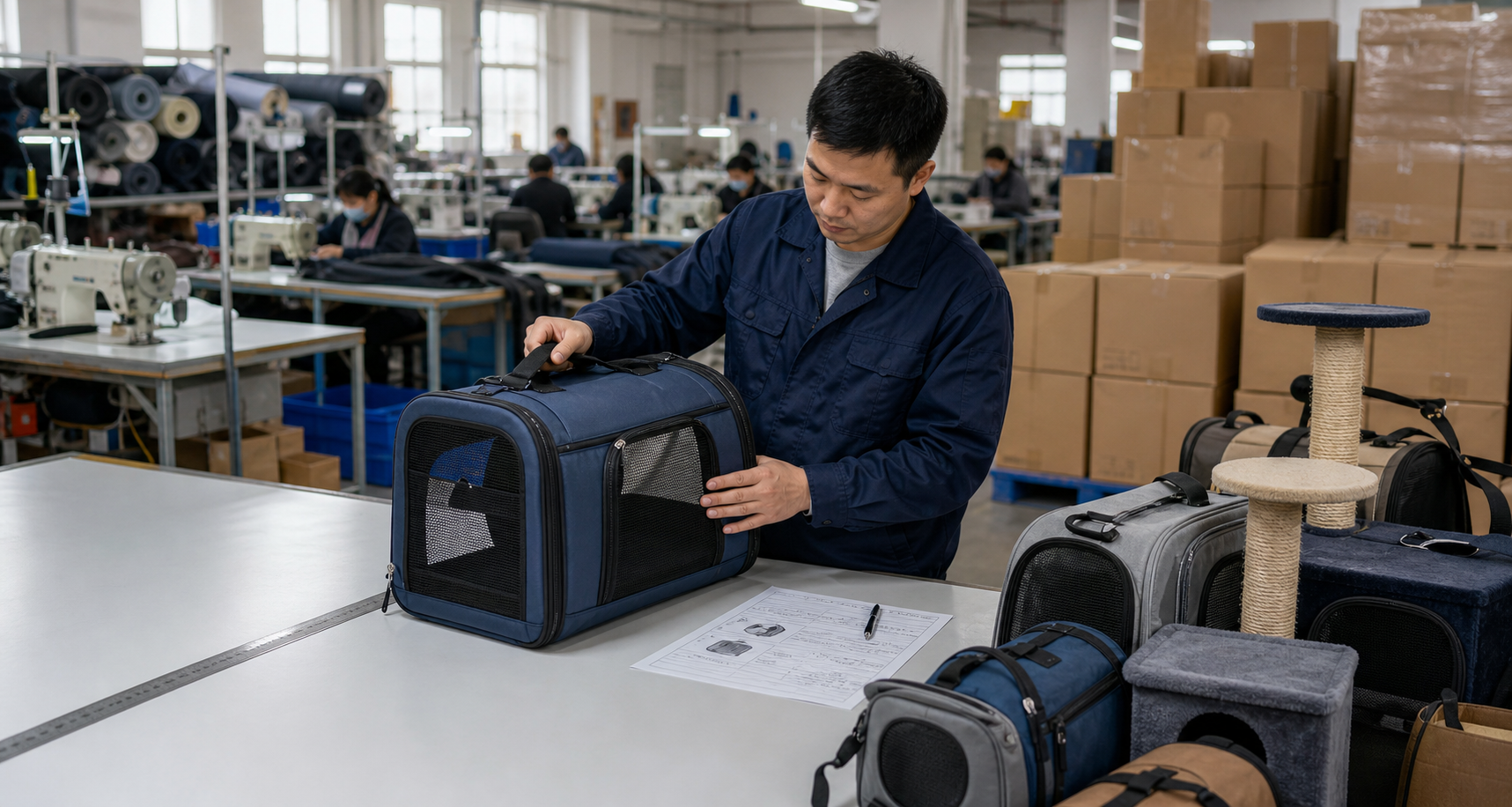
The sample is the point where the product idea becomes something that can be inspected. Review it against the original brief, not only against the product photo.
Check:
· Dimensions and usable space
· Materials and surface finish
· Color and logo placement
· Stitching, seams and edge treatment
· Zippers, straps, wheels, handles or hardware
· Structure, stability and function
· Comfort, ventilation or storage features
· Product labels and packaging presentation
Record the changes clearly. Photos with notes, a specification sheet or a sample approval form can help both sides understand which details are approved and which still need adjustment.
5. Approve the production sample
Mass production should not begin until the buyer has approved a clear reference. Approval should cover the product itself and, where relevant, the packaging, labels and artwork.
The approval record should identify:
· Sample version and date
· Final dimensions and materials
· Confirmed colors and branding
· Functional changes
· Packaging and labeling
· Open points, if any
If the buyer changes the specification after approval, the effect on cost, timing or production should be reviewed before the factory proceeds.
6. Prepare branding and packaging
Private-label projects often involve more than printing a logo. The buyer may need labels, hangtags, inserts, color boxes, polybags, barcodes, warning information and export cartons. The packaging format should match the sales channel.
JTPAWS can discuss Private Label Service and Custom Packaging as part of the wider OEM project. For retail, packaging needs to communicate the product clearly. For e-commerce, it also needs to protect the product while keeping packed volume practical.
7. Plan quality control before production
Quality control works best when it is defined before mass production. The approved sample and specification should become the reference for checking materials, workmanship, structure, function, packaging and finished goods.
Depending on the product, the inspection plan may include:
· Incoming material checks
· Work-in-process checks
· Dimensions and function
· Stitching, seams and component attachment
· Surface finish and appearance
· Packaging and labeling
· Carton quantity and shipment preparation
Testing or third-party inspection requirements should be discussed according to the product category and destination-market requirements. Do not treat an unverified certification statement as a substitute for a real inspection plan.
8. Move into mass production
Once specifications, sample approval, packaging and quality expectations are confirmed, the order can move into mass production. The buyer should keep communication focused on the approved reference and any documented changes.
For larger retail, supermarket or distributor programs, production planning also needs to consider batch organization, storage and shipment preparation. JTPAWS has expanded its Ningbo operation into a 5,000-square-meter facility, added two pet-toy production lines focused on cat scratchers and cat trees, and leased port-side cargo warehouse space for batch cargo storage. These resources are intended to support more organized production and larger order programs, subject to the requirements of each project.
9. Inspect, pack and prepare for shipment
Before shipment, review the agreed inspection result, finished product condition, packaging, carton marks and quantity. Any issue should be documented with photos or records so the buyer and supplier can agree on the appropriate action.
The final shipment is not the end of the relationship. A good OEM process also records what worked, what changed and what should be improved for the next order.
10. Build a repeatable product program
The strongest OEM relationships become easier to manage over time because the product specifications, packaging files, inspection points and approval history are organized. This gives the buyer a better foundation for repeat orders, seasonal launches and additional products in the same category.
The Pet Travel Gear, Human-Pet Furniture and Pet Toys collections provide different starting points for a product program. Buyers can begin with one validated SKU and expand after the first production cycle has been reviewed.