
Retail Buyer’s Checklist for Launching a Pet Travel Product Collection
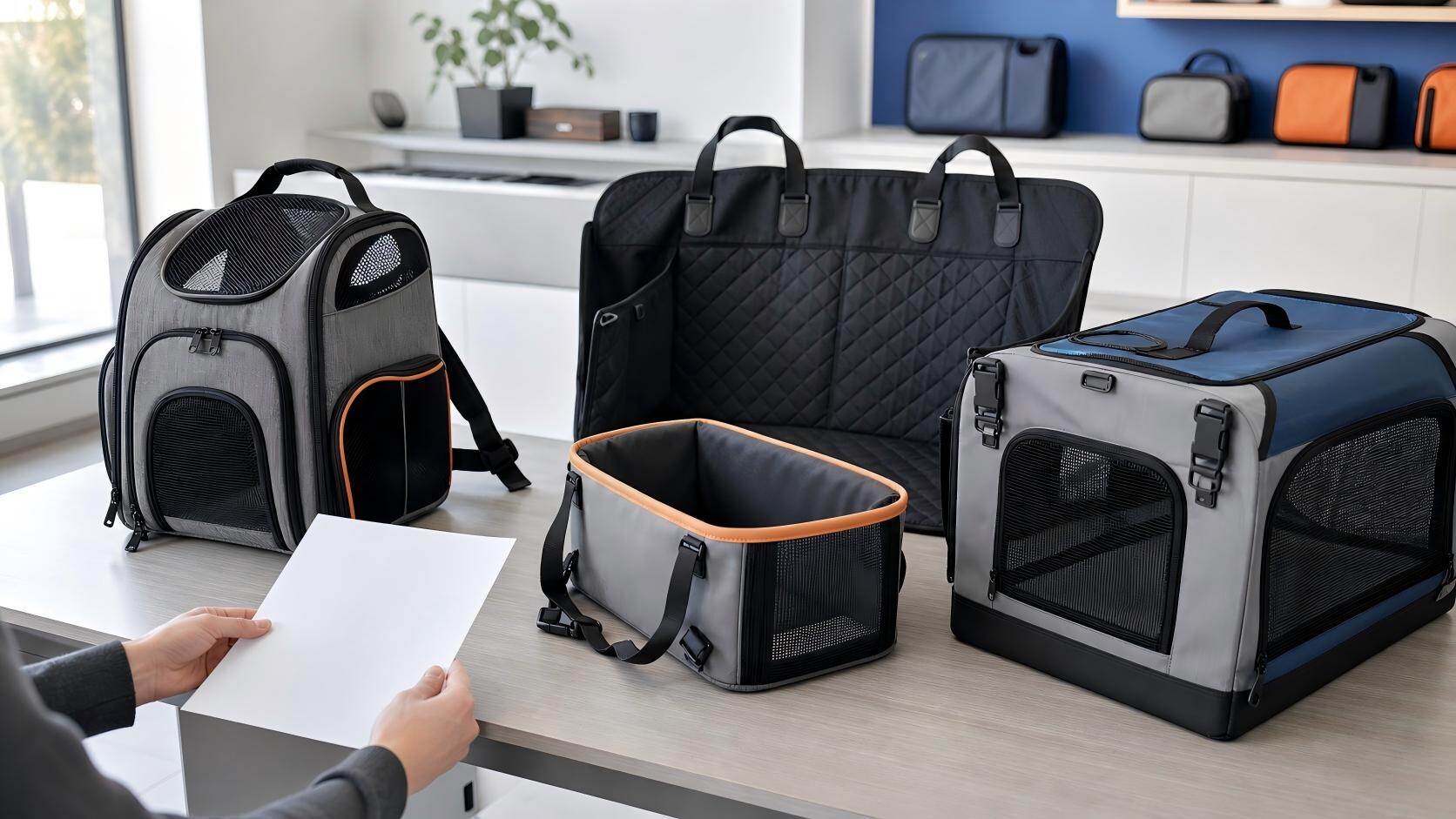
Use this practical checklist to build a focused pet travel product collection with the right mix of carriers, car accessories, packaging, and supplier checks.
Launching a pet travel range does not require dozens of SKUs on day one. For many retailers, importers, and private-label brands, a focused collection is easier to merchandise, explain, test, and replenish. The challenge is choosing products that serve different customer needs without creating unnecessary overlap.
This checklist is designed for B2B buyers planning a first or refreshed pet travel collection. It focuses on assortment logic, retail readiness, supplier communication, and the information needed before requesting samples or a quotation.
1. Define the role of the collection
Start by deciding what the collection should achieve. Is it intended to create a new category, expand an existing pet range, support a seasonal travel campaign, or add higher-value accessories to a basic carrier assortment? The answer determines how broad the first launch should be.
· Target customer: pet specialty retail, supermarkets, ecommerce, marketplaces, distributors, or a mixed channel.
· Main market: the customer’s transport habits, climate, vehicle usage, and expectations for packaging and instructions.
· Price architecture: entry, mid-range, and premium options that are easy for a buyer or store team to explain.
· Launch objective: a compact test range, a full seasonal collection, or a platform for private-label development.
The current Pet Travel Gear collection can be used as a reference point for grouping products by travel scenario.
2. Build the range around clear customer missions
A useful collection usually covers several missions rather than repeating the same product in slightly different colors. A simple first range might include:
· Everyday carry: a soft pet carrier or backpack for short trips, vet visits, and urban use.
· Vehicle travel: a car seat cover or carrier designed around rear-seat use and practical installation.
· Comfort and visibility: a booster seat for smaller pets that need a raised travel position.
· Longer or structured travel: a trolley-style carrier or foldable travel crate, depending on the target channel.
· Add-on opportunities: matching accessories or packaging upgrades that increase basket value without creating a new category.
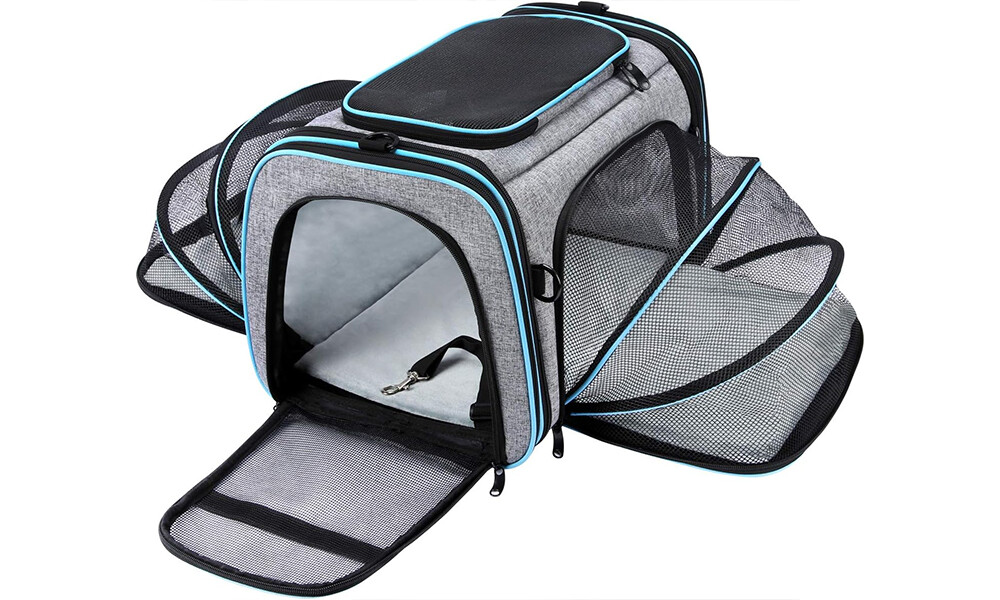
For carrier-led assortments, review the Pet Carrier & Backpack category and select products with genuinely different use cases.
For vehicle-focused ranges, compare the Pet Car Seat Cover category with booster-seat and vehicle-carrier options.
3. Limit overlap between SKUs
SKU overlap makes a collection harder to buy and harder to sell. If two items look similar, the retailer must work harder to explain the difference and may split demand across too many products. Each SKU should earn its place through a clear distinction.
Useful differences to define
· Pet size or capacity range.
· Carry mode: hand, shoulder, backpack, trolley, vehicle, or bicycle.
· Structure: soft-sided, expandable, foldable, wheeled, or more rigid.
· Material or finish: for example, 600D Oxford fabric, mesh ventilation, or a more premium trim.
· Retail role: entry price, hero product, seasonal feature, or add-on accessory.
A practical buyer test is simple: can a store associate explain why a customer should choose Product A instead of Product B in one sentence? If not, the assortment may need fewer or more clearly differentiated SKUs.
4. Confirm the product information needed for retail
A wholesale product is not retail-ready just because the factory can manufacture it. The buying team also needs reliable information for product pages, packaging, product training, and customer service.
· Product dimensions in both metric and imperial formats where relevant.
· Recommended pet size or use scenario, written carefully and without blanket promises.
· Material, ventilation, cleaning, folding, fixing, and storage information.
· Package dimensions, carton information, and whether the product can be merchandised efficiently.
· High-quality product images, lifestyle images, and simple feature descriptions that match the approved sample.
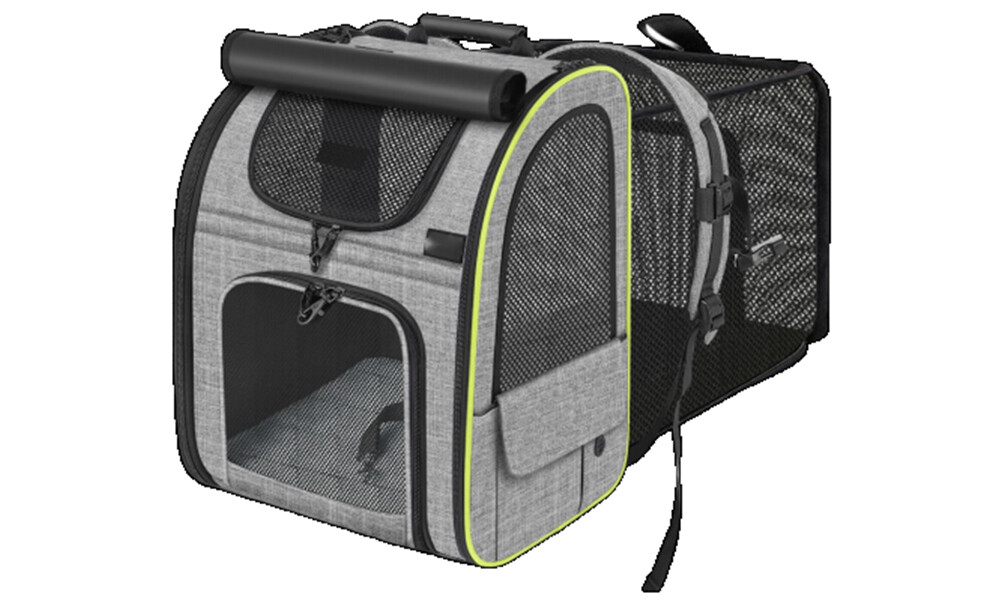
For a concrete example of a product-level page, review the Expandable Pet Carrier Backpack for Small Dogs and Cats.
5. Plan samples before discussing a large launch
Sampling should answer a buying question. Instead of requesting every available model, choose a small set that represents the planned collection: one core carrier, one vehicle product, and one differentiated item such as a trolley, booster, or crate.
· Use the samples to compare comfort, construction, installation, packaging, and visual consistency.
· Record changes by product and by collection: color, logo, label, material, accessory, and package requirements.
· Ask the supplier which changes are standard, which require development, and which may affect cost or lead time.
· Use the approved sample as the reference for the quotation and pre-production confirmation.
6. Ask suppliers the questions that affect the launch
A good RFQ gives the supplier enough context to recommend the right products and return a useful answer. Include the intended market, sales channel, estimated order plan, target price position, packaging expectations, and any existing brand guidelines.
Then ask for information that supports a real decision:
· Which products are suitable for the target customer and channel?
· What are the available sizes, colors, materials, packaging options, and customization points?
· Which products can be sampled quickly, and which require development?
· What quality checkpoints are used for fabric, stitching, mesh, zippers, hardware, and packaging?
· What information is needed to confirm MOQ, sample cost, production timing, and shipping assumptions?
7. Make the first assortment easy to merchandise
Retail buyers should think about the shelf, product page, and sales conversation at the same time. A collection is easier to launch when each product has a clear image, a short benefit statement, a size reference, and a logical place in the range.
· Use a consistent naming structure so customers can understand the range quickly.
· Keep colorways coordinated, but do not add colors unless they serve a clear retail or brand purpose.
· Group products by mission or travel scenario rather than only by factory category.
· Prepare a short comparison guide for internal sales teams, distributors, or store staff.
8. Treat the first launch as a learning cycle
The first order should create evidence for the next order. Track which products attract retailer interest, which questions customers ask, which dimensions cause confusion, and which products create repeat demand. Use those findings to expand the winners and remove weak overlaps.
JTPAWS and Doublefly Industry can discuss pet carriers, vehicle travel products, pet furniture, toys, OEM/ODM development, and private-label requirements for B2B projects. Product selection, customization, order quantities, and production terms should be confirmed against the buyer’s actual market and launch plan.
Related Products & Categories
Explore Categories
Recommended Products
Interested in custom manufacturing?