
What Retailers Should Look for in Pet Travel Gear
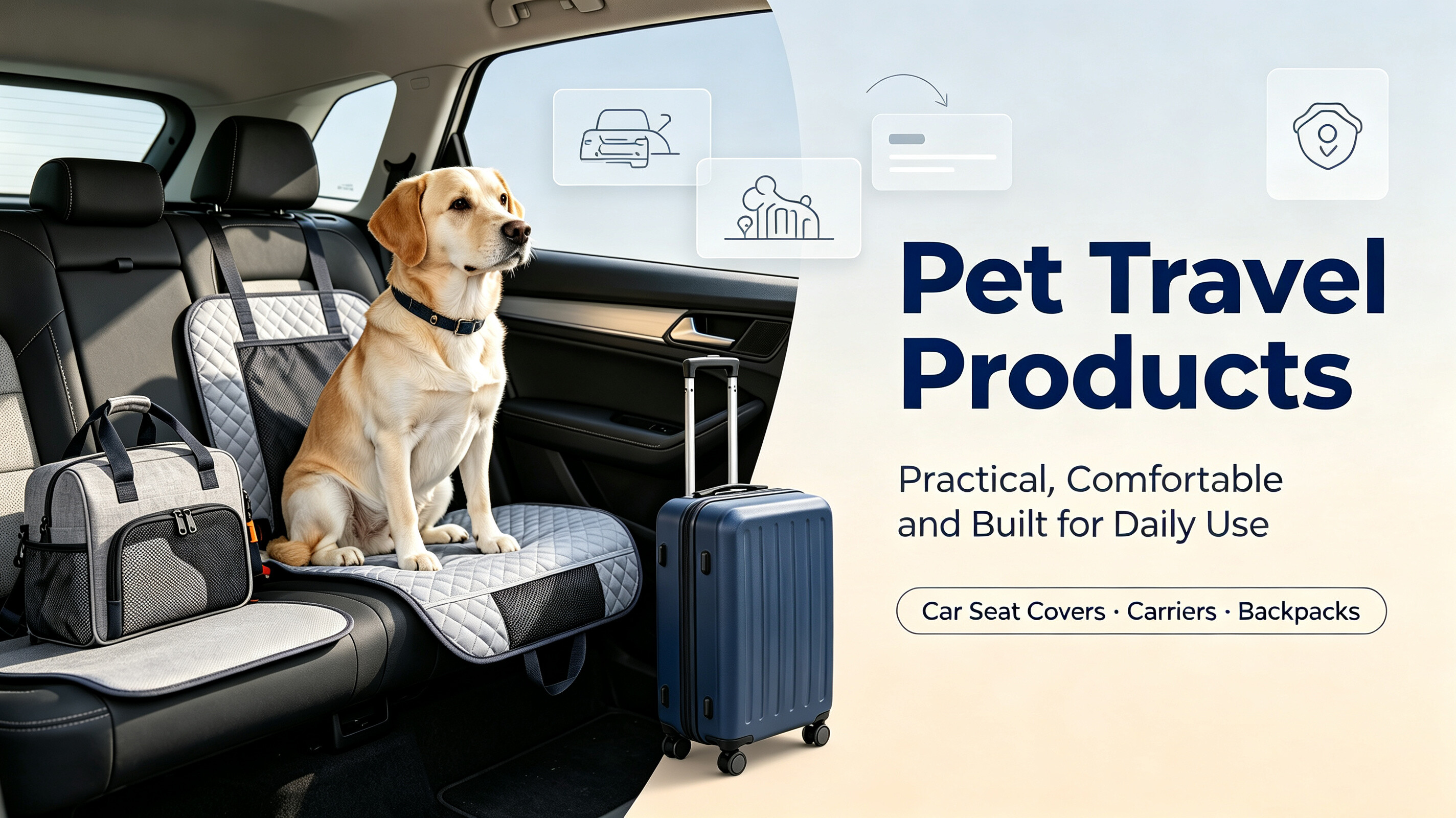
This guide explores the booming daily pet travel market, covering core products like car seat covers, booster seats and pet carriers. It shares practical sourcing tips about durable materials, proper sizing, retail packaging and private label customization to help retailers select high-selling, low-return pet travel supplies.
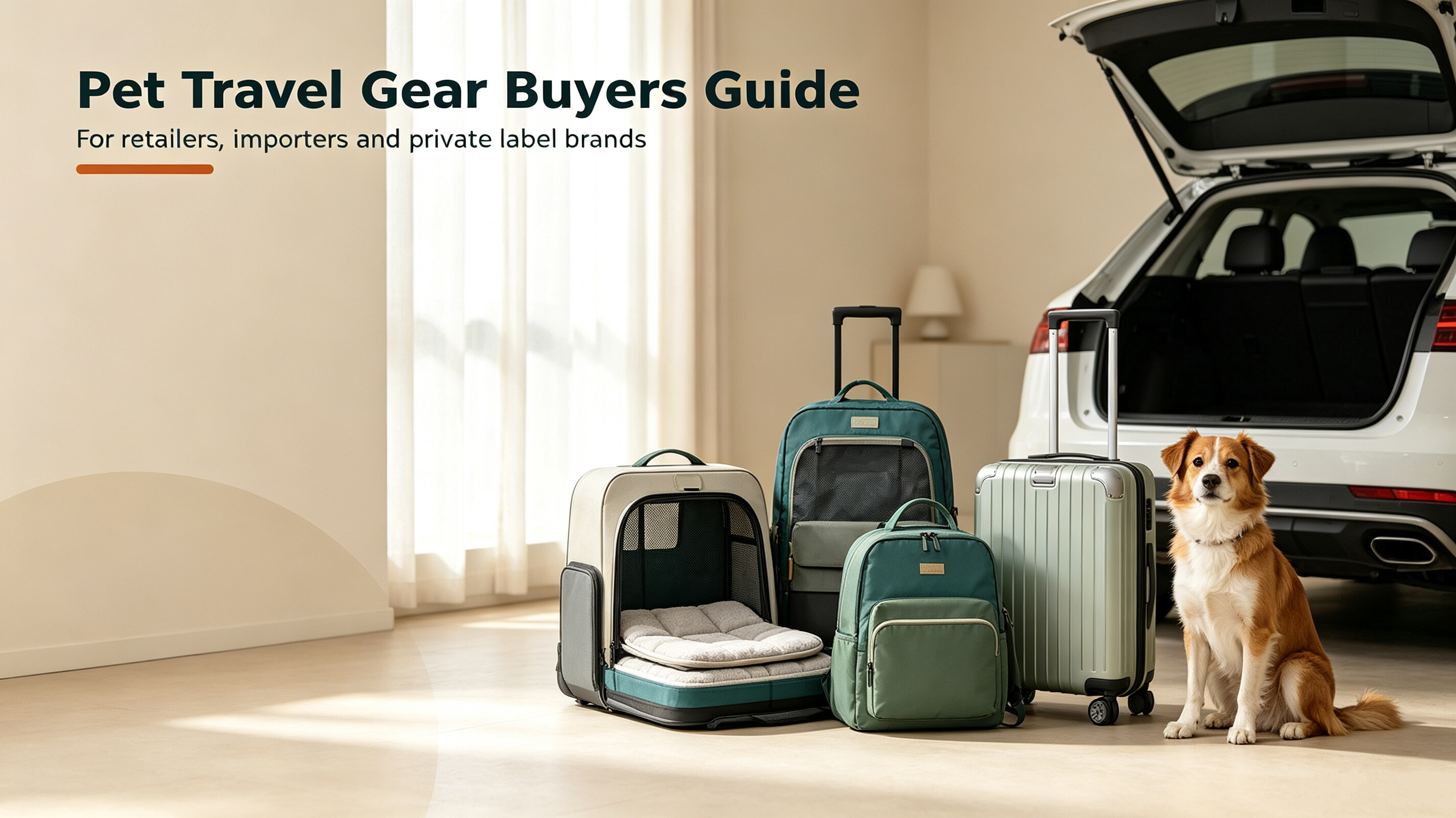
Pet travel products serve several everyday situations, from car journeys and bike rides to outdoor trips and visits to the vet. For retailers, the opportunity is not simply to add another carrier. It is to build a practical product range that customers can understand, use and trust.
Start with the real travel scene
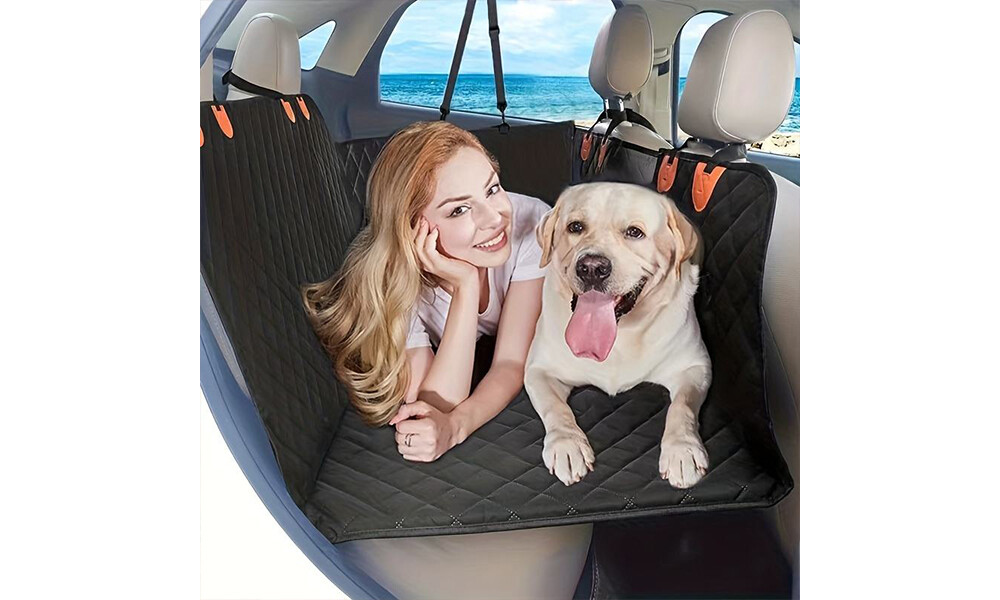
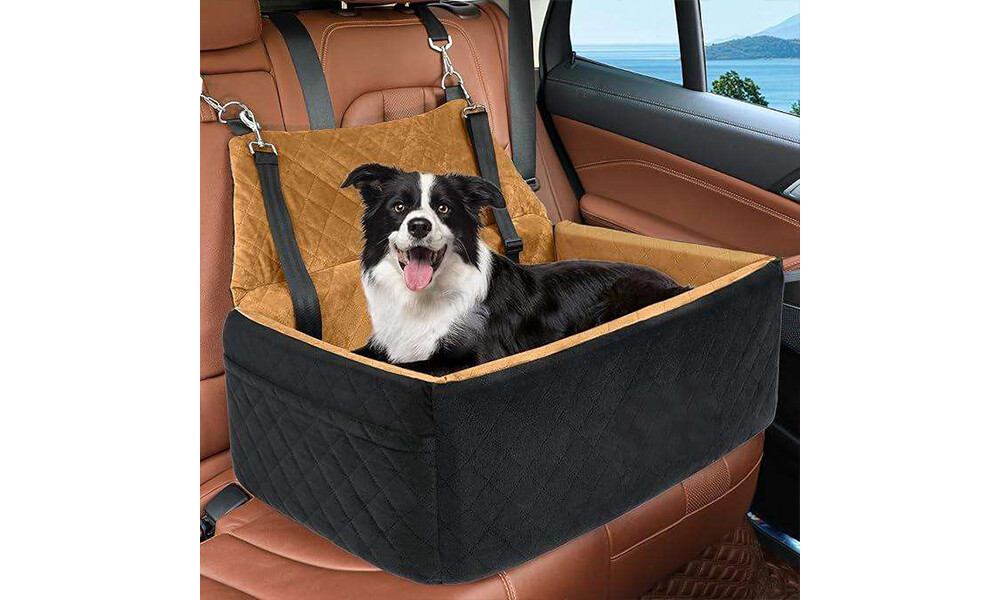
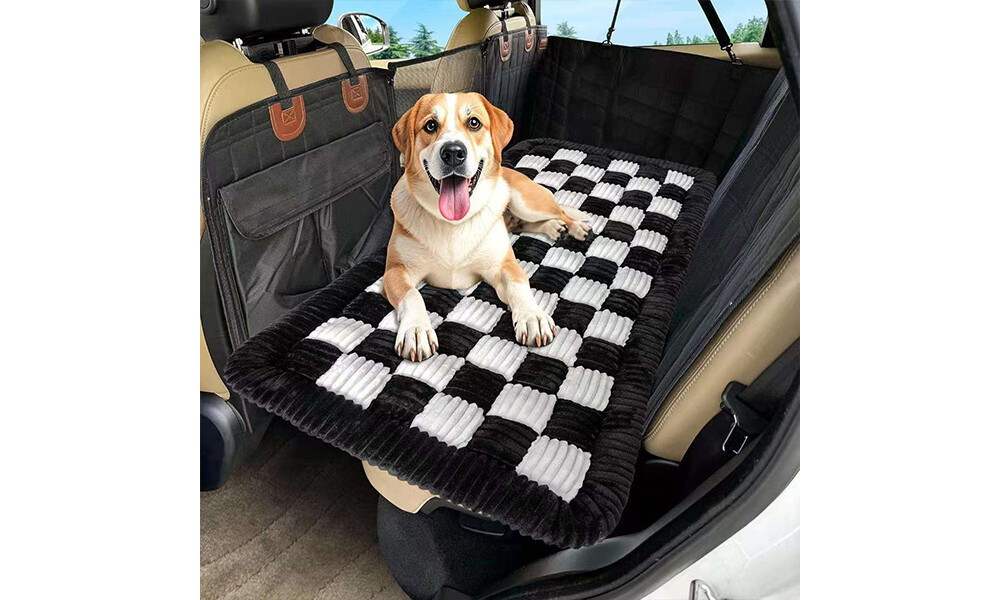
Car seat covers, booster seats, carriers, backpacks, trolley cases and travel crates solve different problems. A good assortment should make the use case clear. Retailers should ask where the product will be used, what pet size it supports and whether it is intended for short trips, daily commuting or longer travel.
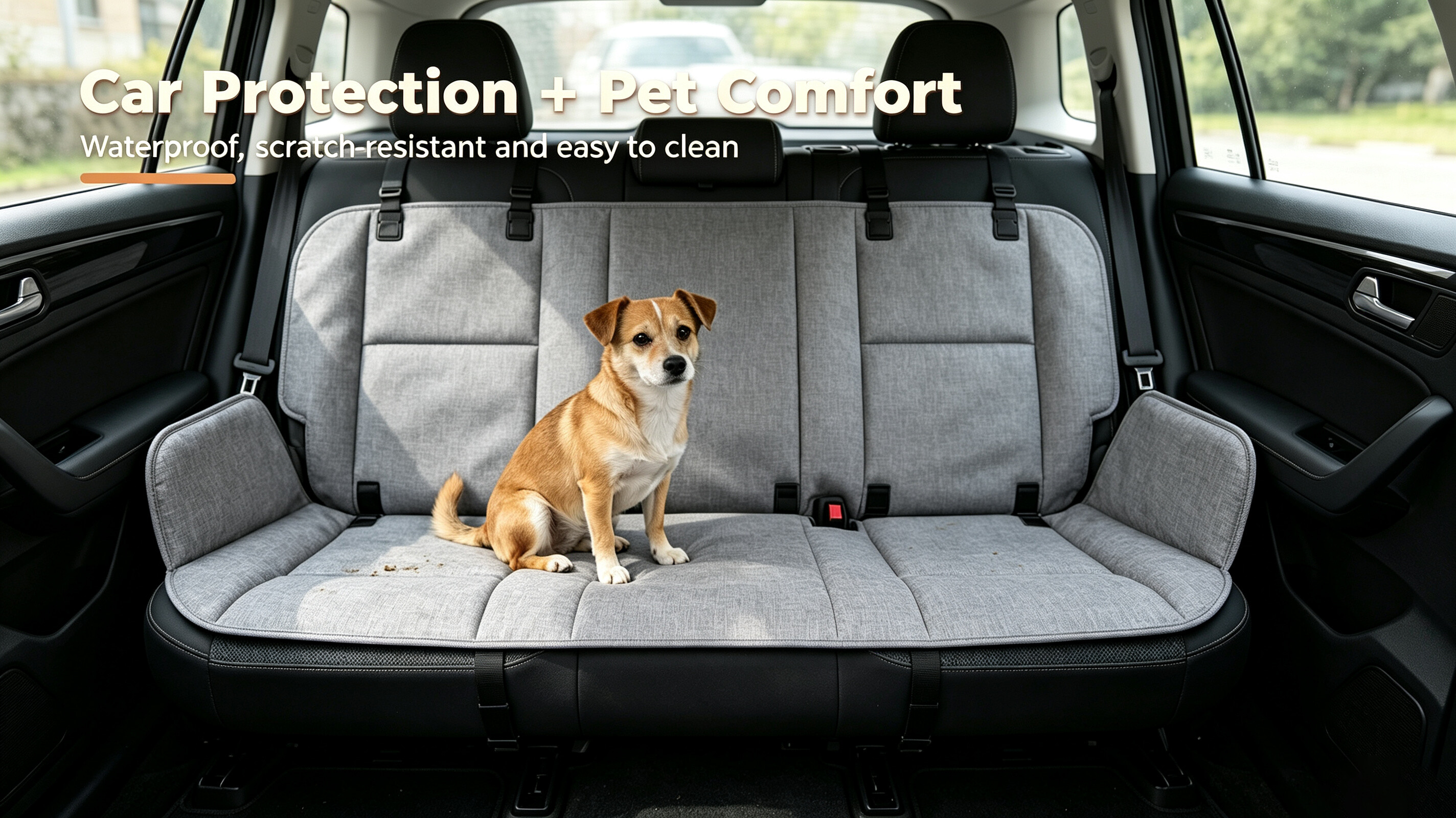
Materials affect customer experience
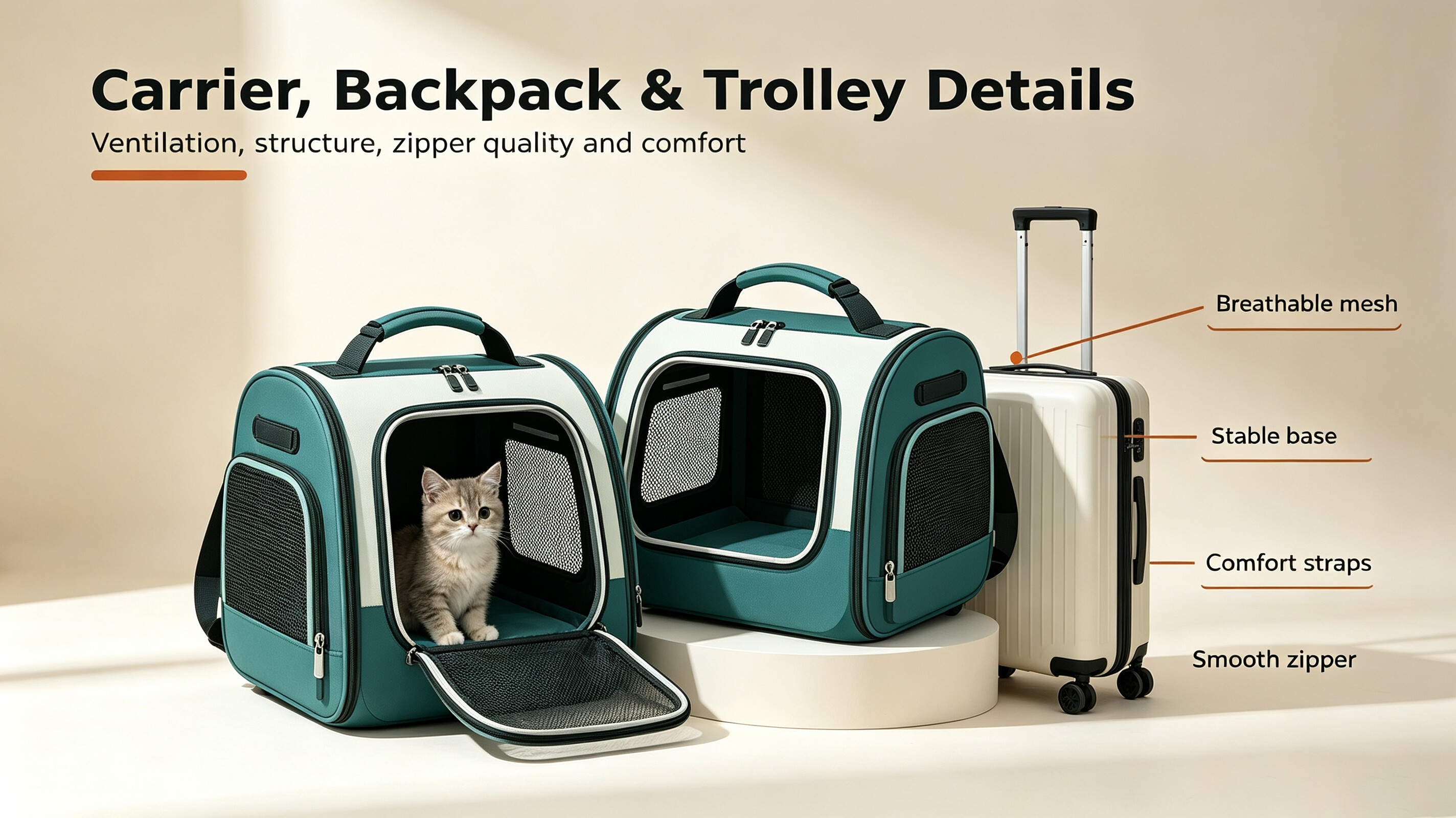
600D Oxford fabric, mesh, polyester, metal, PP and other materials each affect structure, comfort, durability and cost. Buyers should check stitching, zippers, mesh ventilation, handles, wheels, boards and connection points rather than judging only from the product photo.
Good sizing makes products easier to sell
Clear size information helps reduce customer confusion and returns. Product pages should provide external dimensions, usable space where relevant, suggested pet size and packaging dimensions. If the range includes several sizes, show the differences in a simple comparison.
Packaging should support retail and e-commerce
A retail program may require shelf-ready packaging, display information and barcodes. E-commerce packaging may need stronger protection and efficient carton dimensions. Packaging decisions should be discussed during product development, not after production is finished.
OEM and private label development should stay practical
A strong supplier should help buyers turn a product idea into specifications, samples, packaging and a repeatable production plan. Start with the core product requirements, target quantity, market, packaging needs and timeline. This gives the factory enough information to recommend a realistic solution.
Final checklist for buyers
· Is the use case clear?
· Are materials and construction suitable for the target price?
· Are dimensions and pet-size guidance easy to understand?
· Can the packaging work for the intended channel?
· Can the supplier support samples, quality checks and repeat orders?
Final thoughts
The best pet travel gear is easy for a retailer to explain and easy for a customer to use. A clear product range, accurate specifications, practical packaging and dependable production support create a stronger foundation for long-term sales.
Related Products & Categories
Explore Categories
Recommended Products
Interested in custom manufacturing?